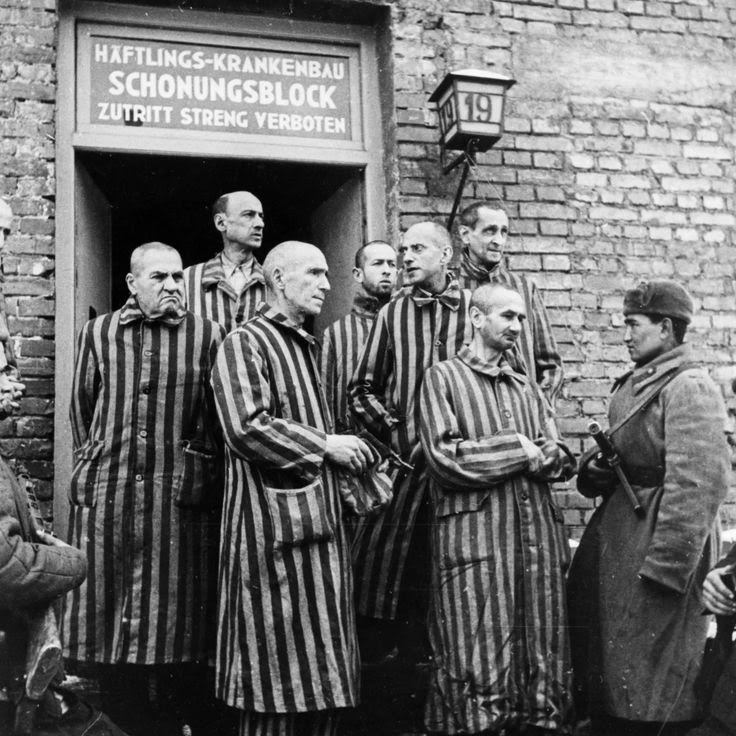
On January 27th, the Day of Remembrance at the Gonzaga Campus in Palermo is an opportunity to renew our educational commitment to preserving the memory of the Shoah and transforming it into active awareness, capable of guiding the choices of the present and the future.
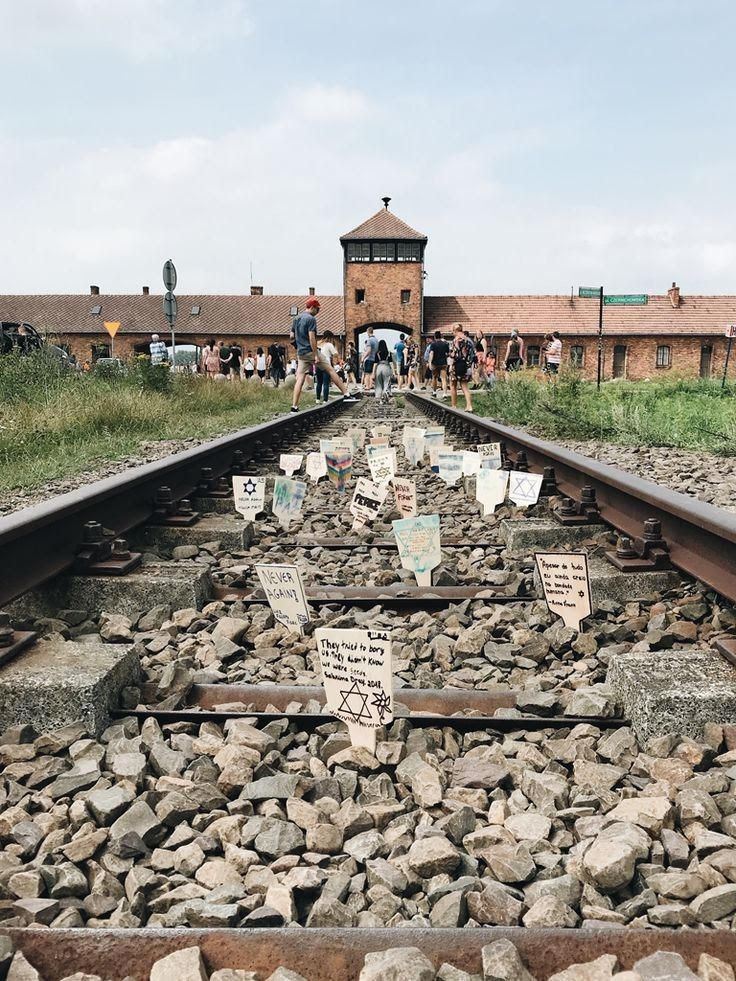
On January 27th, on the occasion of the Day of Remembrance, the Gonzaga Campus in Palermo renews its educational commitment to preserving the memory of the Shoah and transforming it into active awareness, capable of guiding the choices of the present and the future.
The Day of Remembrance at Gonzaga Campus Palermo is not experienced as a simple anniversary, but as a shared educational journey, which involves all schools, both the Italian and the International School, in activities designed for the age of the students, with a common thread: remembering not to repeat, understanding to act, educating to fraternity.
Gonzaga Kindergarten
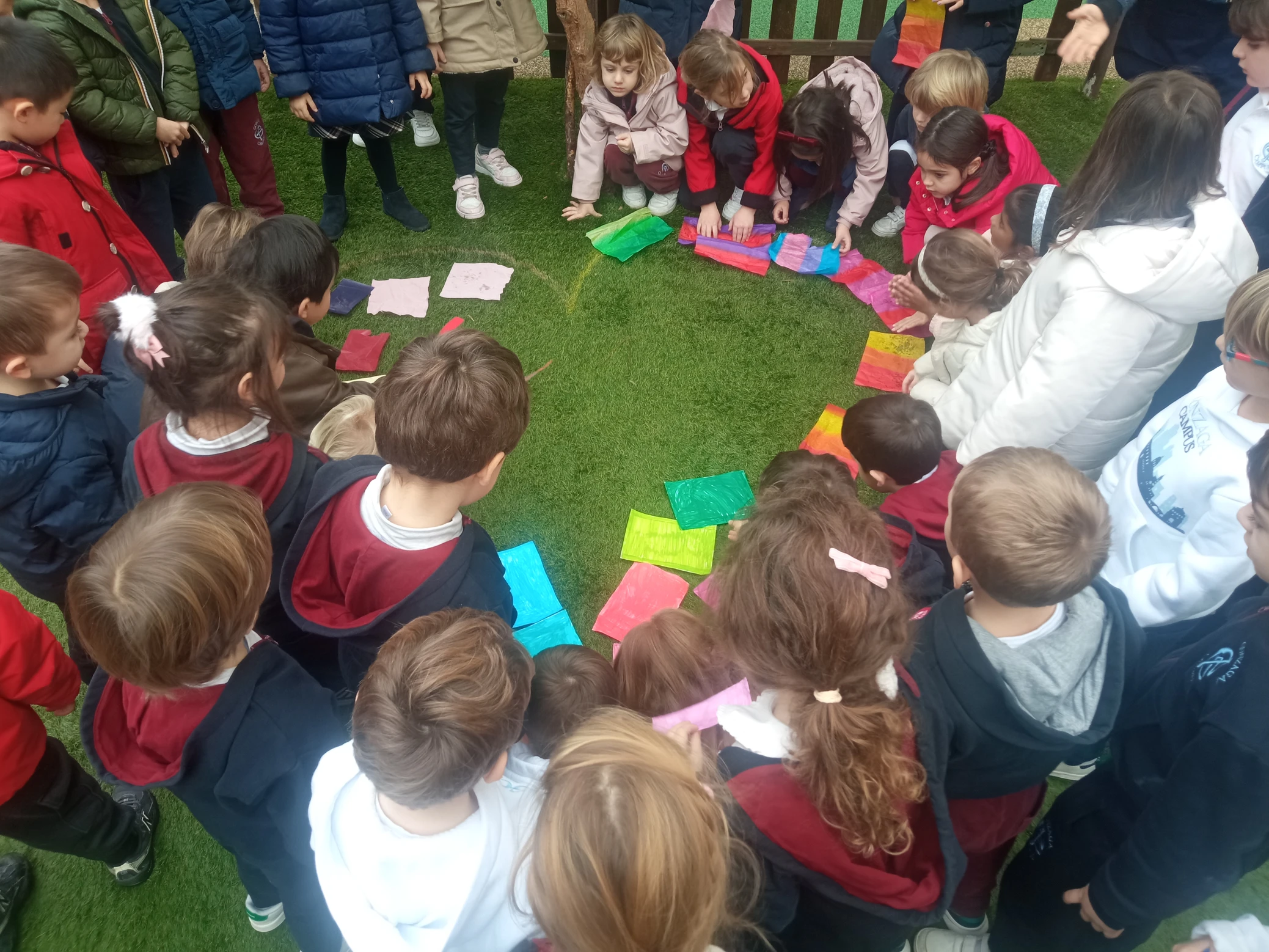
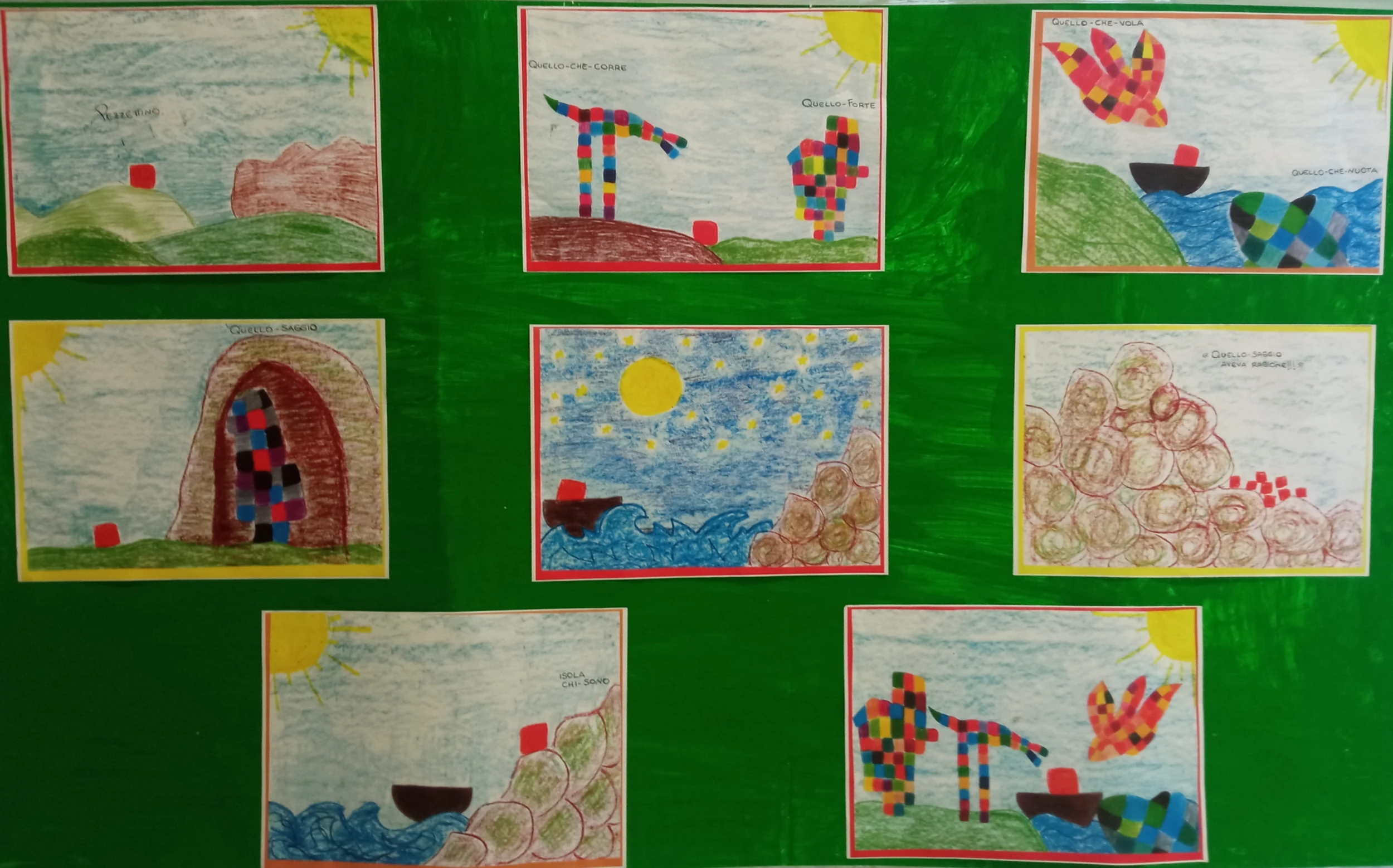
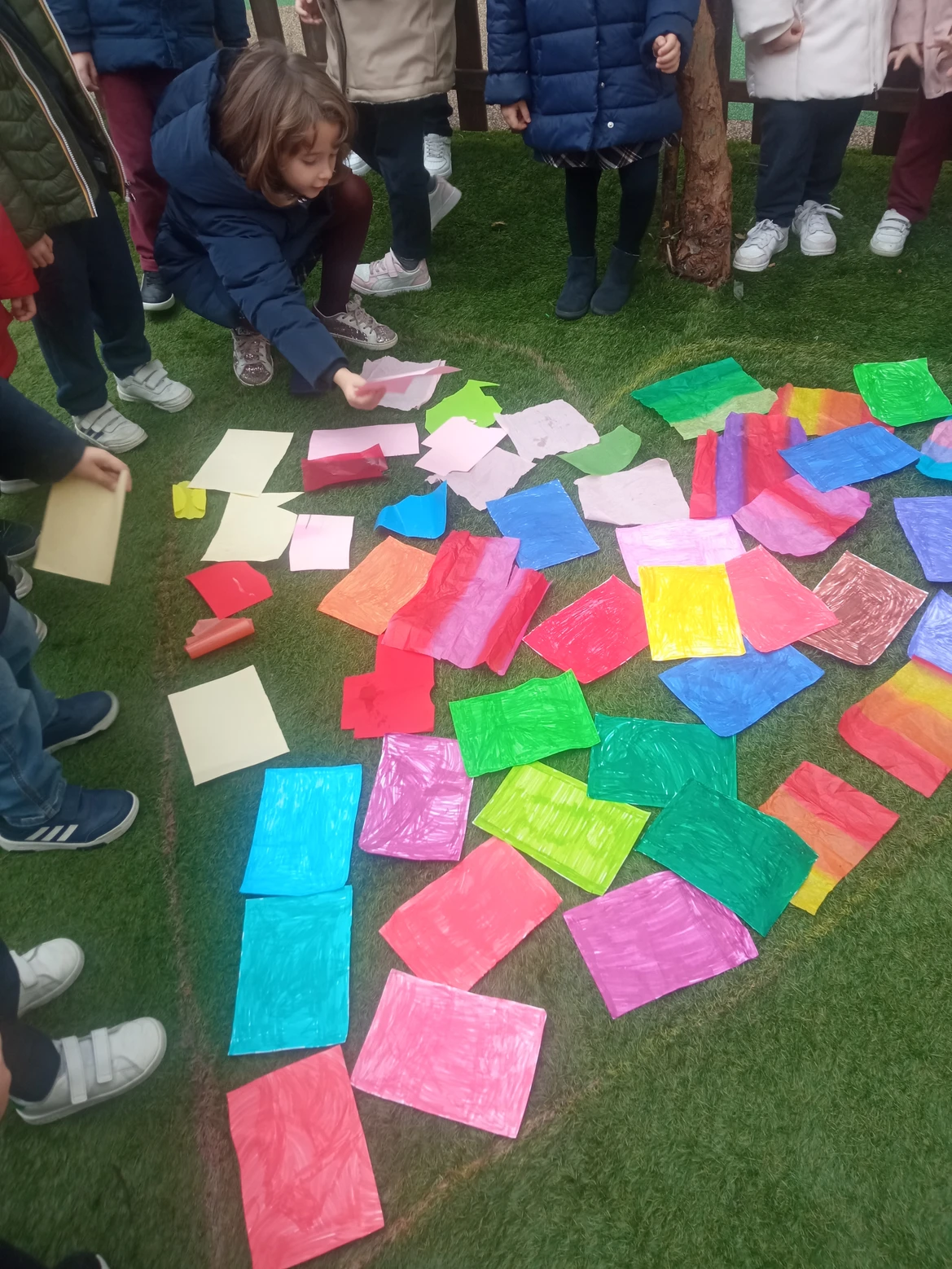
The Kindergarten has chosen to address the Day of Remembrance through a language suitable for the age of the children with the story "Pezzettino", used as a symbolic tool to educate about empathy and the value of diversity. After the reading, the children participate in a moment of circle time, reflecting together on the importance of feeling part of a whole, of welcoming differences and of guarding the message of "never again" in a way that is appropriate for their age. The concluding activity is strongly symbolic: each child receives a piece of paper and, together, they build a large heart on the lawn, a visual sign of a community that is formed by uniting differences.
Primary School: remembering means taking care
1st and 2nd Primary – Memory as daily kindness
In the 1st and 2nd grade classes of Primary School, the Day of Remembrance is introduced through the story "The Doorkeeper Apollonia". Starting from the story, the teachers guide the children in a structured conversation about the meaning of not forgetting, understood as keeping important people and values in their hearts.
The workshop activities translate the message into concrete gestures:
- writing kind words in Italian, English and Spanish;
- creation of a large flower composed of petals colored by the children;
- creation of a graph of friendship in mathematics, to understand that the union - of differences generates a force capable of doing good;
- construction of the "memory blanket", assembling pieces of fabric brought from home.
Every day, moreover, the children write a good deed to be done towards others, collecting it in a "box of good deeds", so as not to forget that memory is lived in everyday life. The journey extends from January to February, ideally connecting to the International Day of Fraternity.
3rd, 4th and 5th Primary – From memory to global responsibility
In the 3rd, 4th and 5th grade classes of Primary School, the Day of Remembrance is linked to the International Day of Fraternity, to emphasize that remembrance cannot remain confined to the past.
The students reflect on current issues such as the ongoing conflicts in the world, understanding that memory must guide our way of living in the present. Topics such as:
the meaning of civil protests;
the importance of demonstrating for a just cause, in a responsible and non-violent way.
The journey culminates in a symbolic march within the campus, accompanied by songs in Italian and English, against the wars in places like Palestine and Ukraine. The students parade with multilingual banners, representative of the cultures present in the school. The involvement of the International School is planned in this shared moment, to sing and walk as a single community.
Italian Primary School: memory, peace and solidarity
First Grades – A first encounter with memory
On the occasion of the Day of Remembrance, the pupils of the first grades of the Italian Primary School participated in an educational path designed to bring the youngest children closer to the meaning of this important anniversary.
The proposed activities allowed the children to understand, through a language appropriate to their age, the value of historical memory and the importance of the principles of peace, solidarity and respect. During the meeting, a simple and careful explanation of the Shoah was offered, using communication methods that respect the sensitivity of six-year-old children.
The journey continued with the viewing of the video "The Forest of Memory", a story that, through metaphors and accessible images, helps the youngest children to understand the meaning of the Day of Remembrance.
The experience ended with a workshop activity, during which the pupils created a card dedicated to the fundamental values of brotherhood, peace, friendship and solidarity, encouraging personal reflection and collective sharing of these principles.
Third Grades – Memory through shared reading
On the occasion of the Day of Remembrance, with the third grades of the Primary School and in collaboration with the librarian Milena Libutti, a reading path was proposed in the library starting from the book "Isaac's Cherry Tree".
After a brief introduction on the historical period in which the Shoah is placed, conducted by the teachers, the reading of the text was entrusted to the librarian, in a climate of attentive and participatory listening. At the end of the reading, a guided discussion took place which allowed the children to express emotions, thoughts and questions.
Middle School: understand, reflect, give shape to memory
First and Second Grades – Introduction to the Shoah and historical memory
In the first and second grades of Middle School, the journey for the Day of Remembrance opened with an introductory activity to the theme of the Shoah through a presentation and a guided brainstorming, aimed at bringing out previous knowledge, questions and reflections of the students.
The discussion in class allowed us to deepen fundamental themes such as human dignity, the value of life and the meaning of historical memory as a tool for awareness. Particular emphasis was given to the testimony of Liliana Segre, also presented through the viewing of a video, to offer students a direct contact with the voice of those who experienced the persecution.
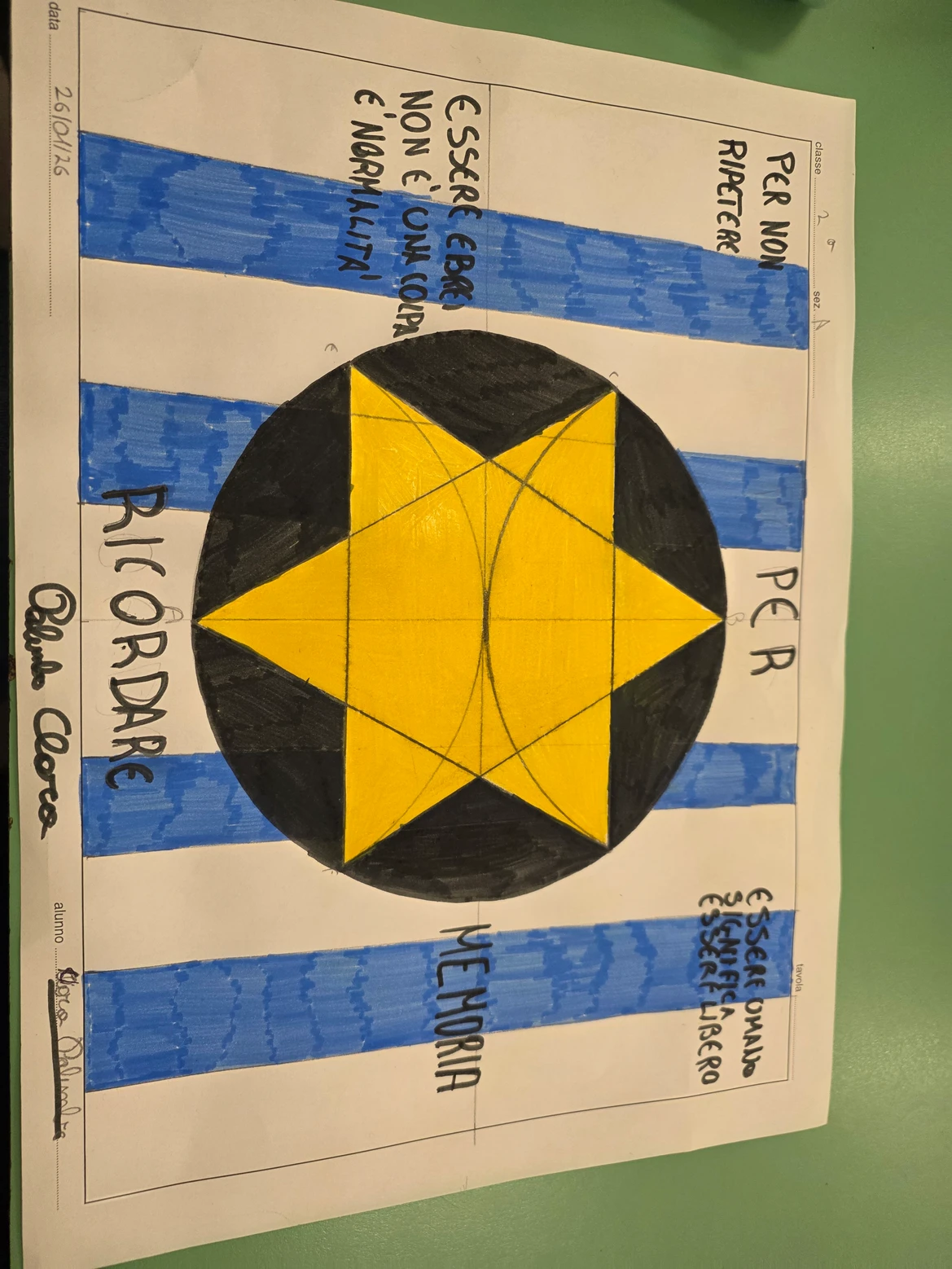
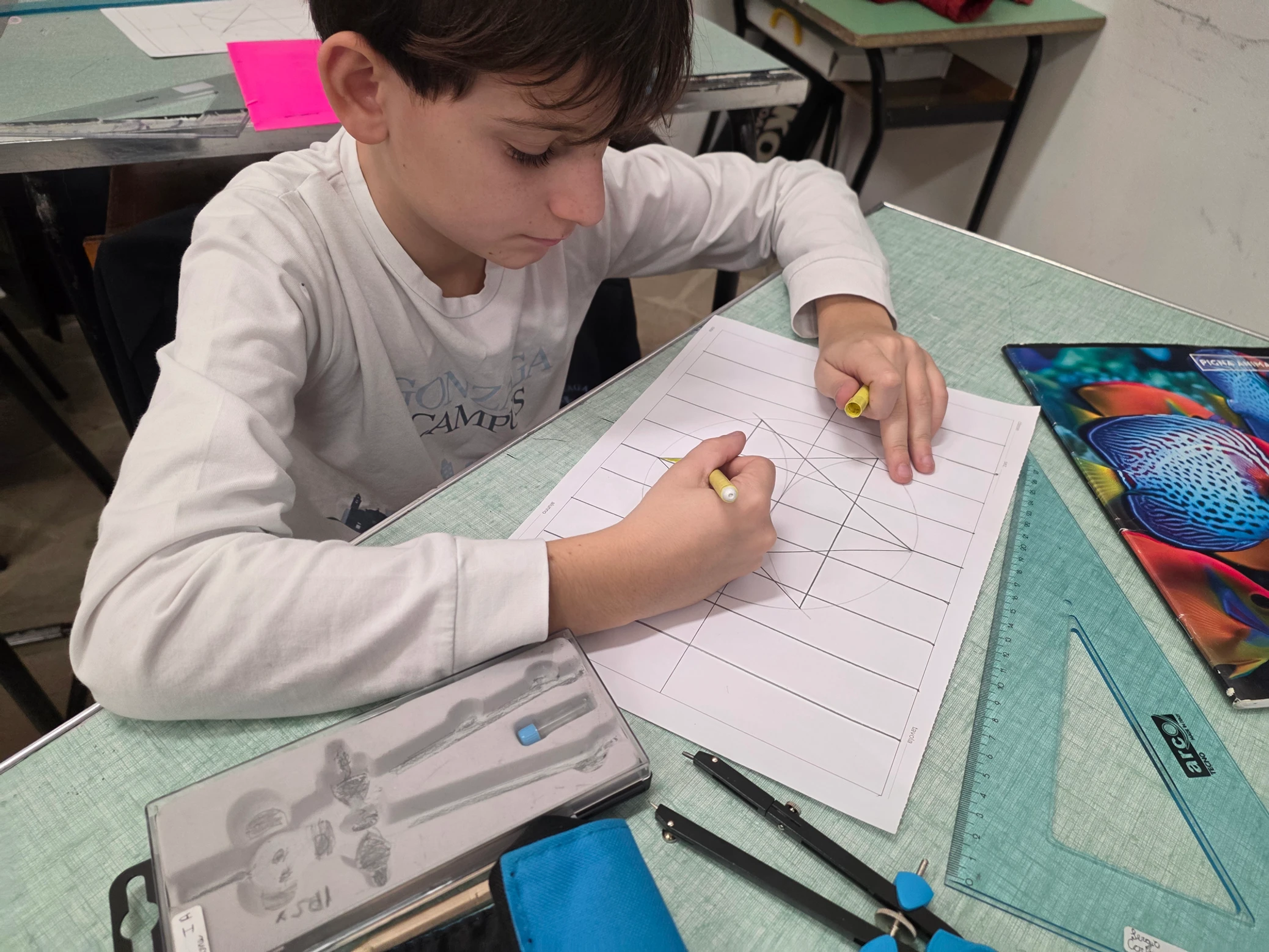
The activity ended with the creation of the Star of David, used as a symbol of reflection and memory, not as a mere historical sign, but as a reminder of individual and collective responsibility.
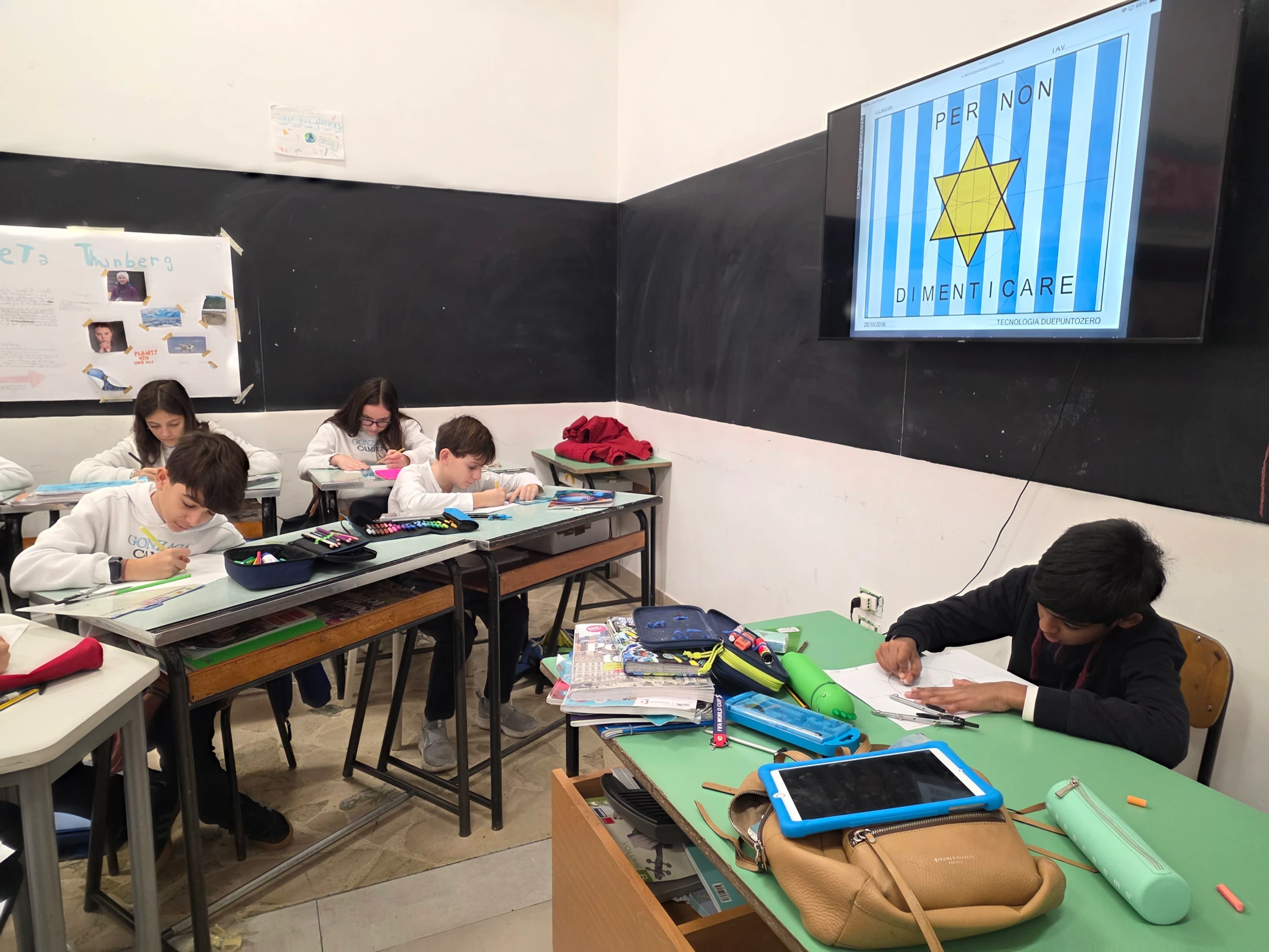
First Grades – CLIL integration in English
For the first grades, the journey was enriched by a CLIL activity in English, through the reading of a passage from an autobiographical text by Liliana Segre. The students worked on the comprehension of the text, developing linguistic skills and, at the same time, a greater historical and emotional awareness.
This integration favored a significant learning, combining language, history and civic education in a single formative experience.
Grade 3A – Interdisciplinary path between memory, history and citizenship
For grade 3A, an interdisciplinary path was designed that involves Italian, history and civic education.
The path is divided into several phases:
Praelectio – Context
Initial moment of sharing knowledge about the Day of Remembrance, the meaning of remembering and the worrying signs of intolerance in the contemporary world.
Lectio – Experience and in-depth study
Indirect experience: resumption of the text The Train of Hope, read during the summer holidays, set in the context of the Second World War, between persecutions, solidarity and stories of humanity.
Historical in-depth study: study of Nazism, anti-Semitism, anti-Semitism in Italy during the Fascist regime, the Resistance in Europe and the birth of the State of Israel.
Civic education: analysis of the fundamental principles of the Italian Constitution, as the foundation of the democratic state.
Moment of guided reflection aimed at guiding students towards a more conscious and responsible action.
Repetitio – Action
The class, divided into groups, works on the dramatization of the text, creating a mini script to present to families, transforming the study into a shared experience.
First Grades – Education through cinematographic language
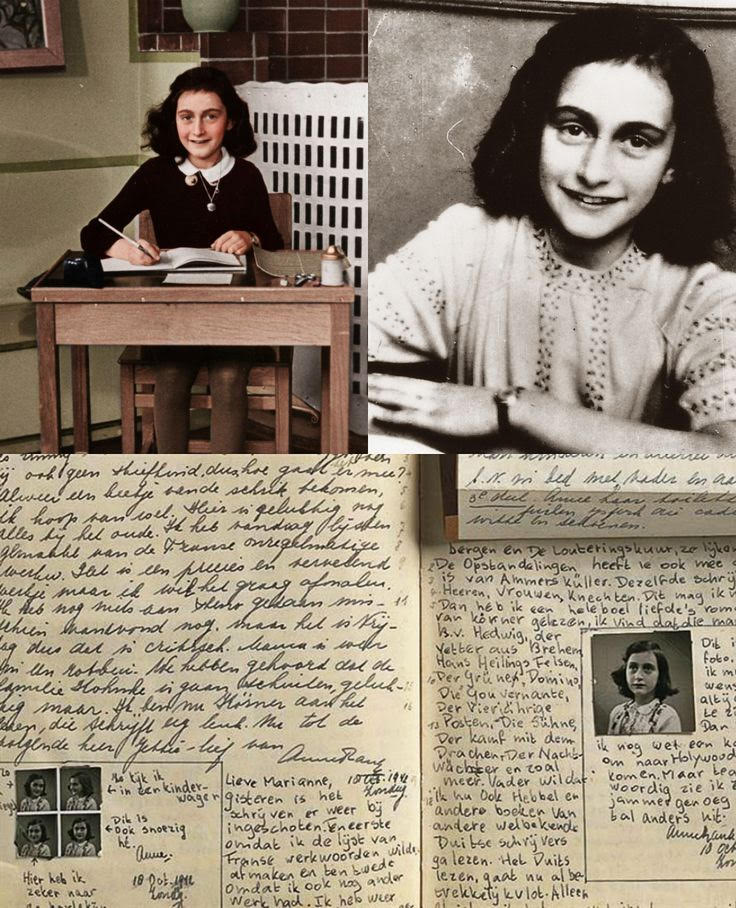
With the first grades, the journey included the viewing of the animated film "Anna Frank and the Secret Diary", which allowed the students to approach the Shoah through the story of a child of their age.
The reflection focused on the extraordinary nature of a childhood lived in extreme conditions, fostering empathy, identification and awareness.
Grade 1B – "Lest We Forget"
In grade 1B, a three-hour laboratory/workshop is planned, carried out during the week, during some hours of substitution. The path allows students to learn about some emblematic figures of the Second World War: silent heroes who distinguished themselves for courage, moral strength and love for life.
The workshop is held in English and concludes with the creation of thematic posters, which will be displayed in the classroom as visible signs of memory and learning.
High Schools: memory as philosophical and historical reflection
Fourth Year – Philosophy and Shoah
In high schools, the work on the Day of Remembrance was developed through the project "The denied subject: the Shoah between Descartes' Cogito and Augustine's free will".
The students analyzed how the Lager system tried to nullify the human being, reducing him to an object, depriving him of his dignity as a thinking subject. Starting from the Cartesian Cogito, the path highlighted the attempt to deny human identity, while through the thought of Saint Augustine we reflected on free will, on individual responsibility and on evil understood as the absence of good.
The project concluded with a structured debate, which allowed students to update these philosophical categories, strengthening their civic awareness against any form of indifference and contemporary dehumanization.
Fourth Year – History, testimonies and updating
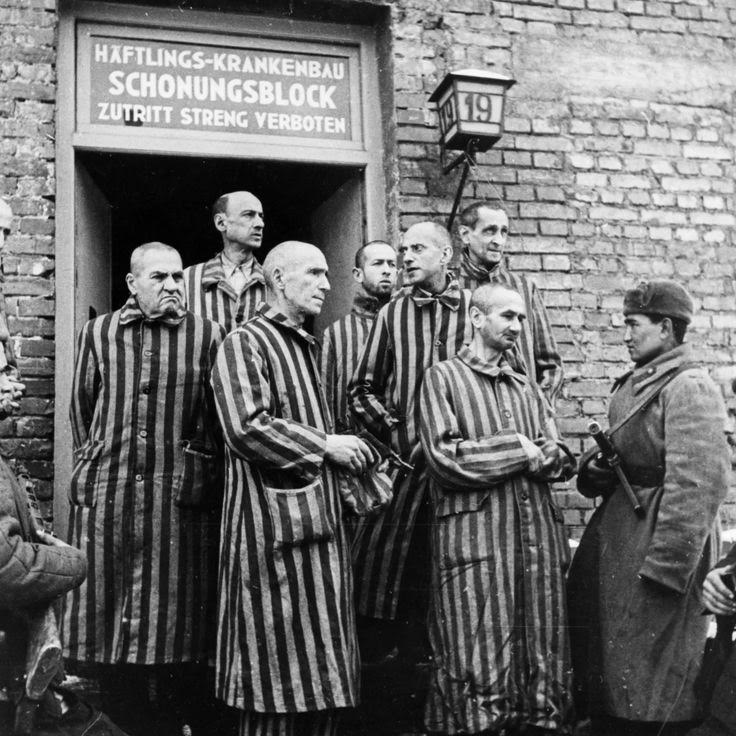
With the fourth grades of the Classical and Scientific High School, the path took shape
through historical debate and the analysis of different traces of reflection, including:
imperialism;
resistance of women;
Jewish resistance;
trauma and torture;
testimonies;
deportation and forced migrations.
The topics addressed are constantly updated, with a careful look at contemporary contexts. To support the work, an essential bibliography was proposed, with particular attention to testimonies, also through the interview-books of Gitta Sereny. The journey will conclude with the shared viewing of a selected film.
STEAM Path – Artificial intelligence and memory
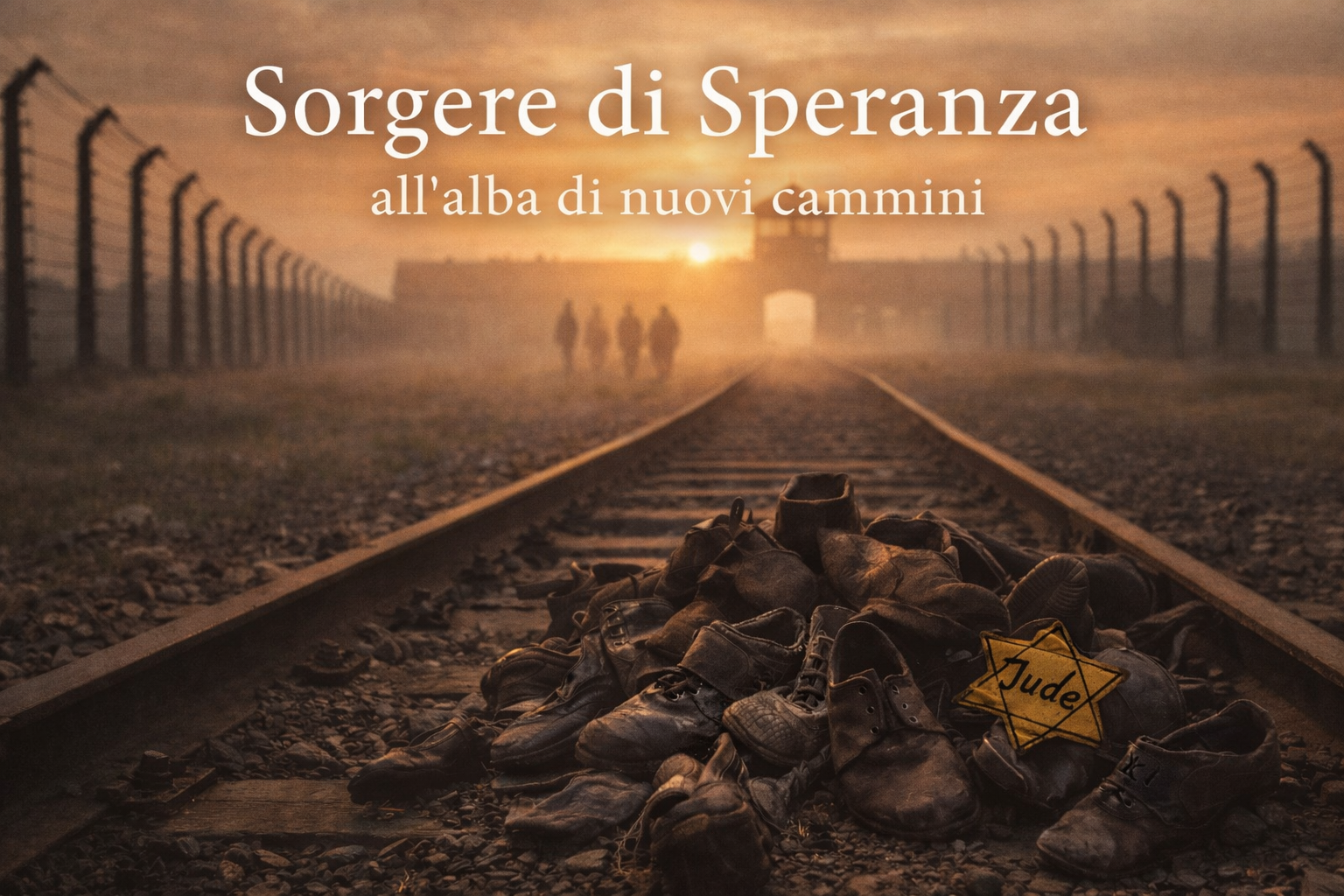
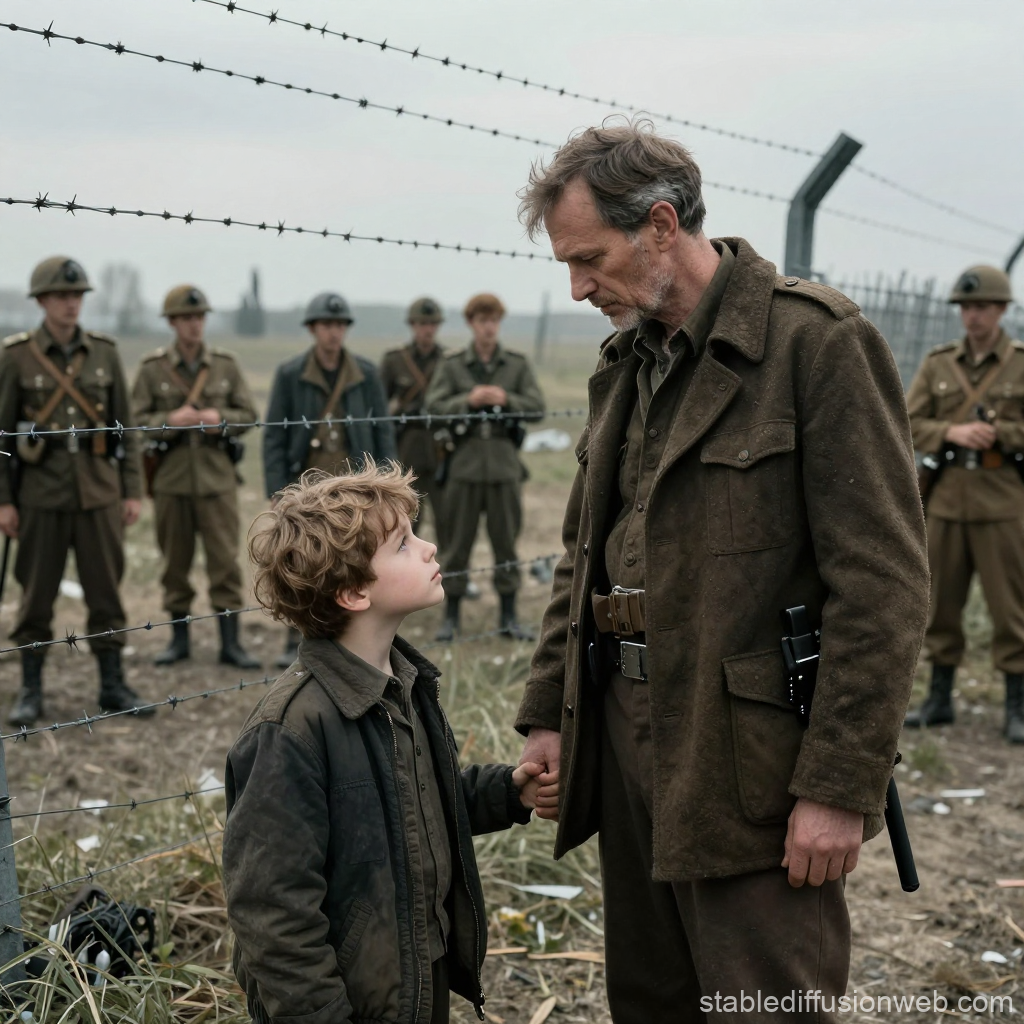
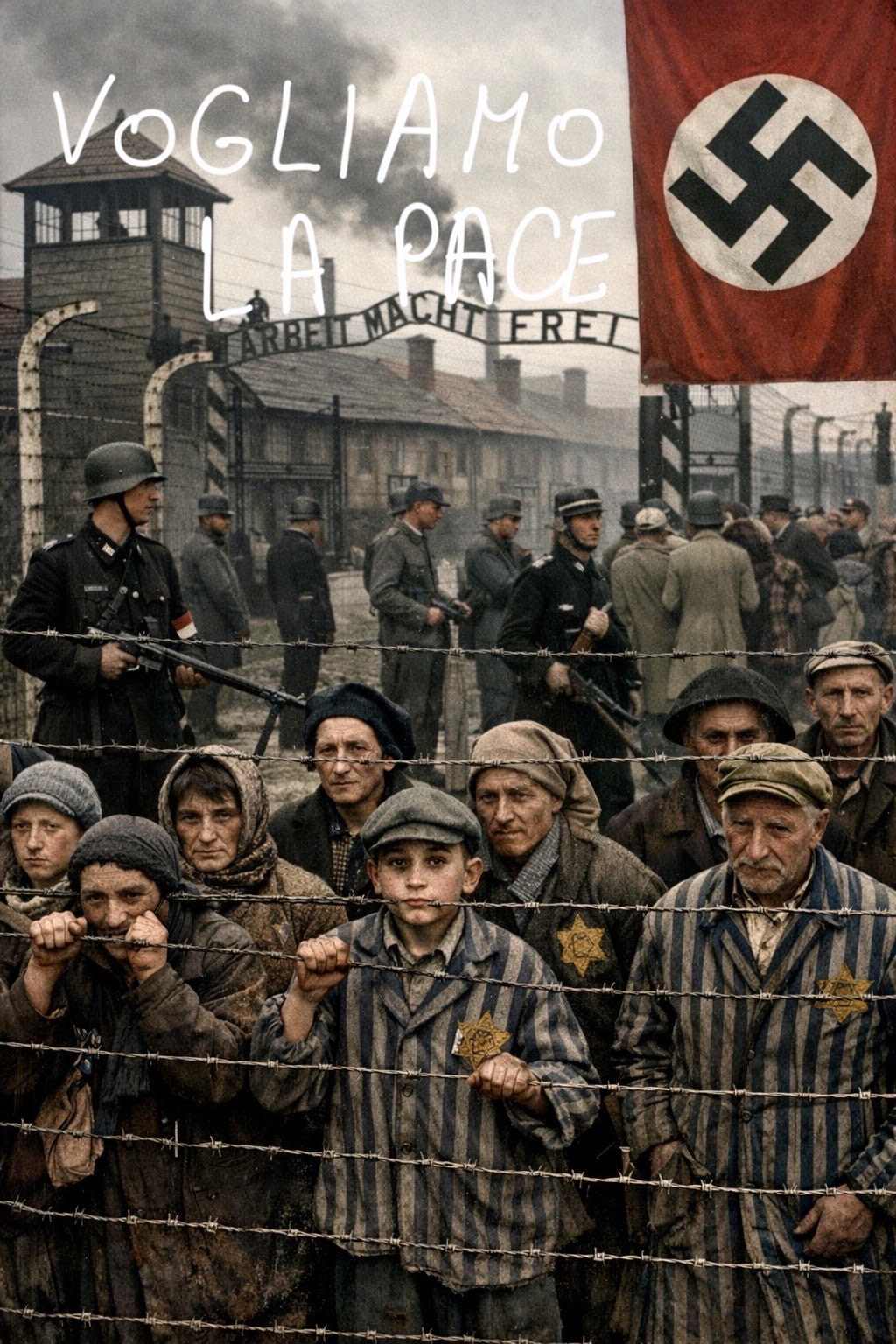
The students of the second year of the STEAM path were invited to create, through the use of a program based on artificial intelligence, an image capable of evoking the Holocaust and at the same time acting as a warning for the present and for future generations.
The students participated in the activity with commitment and interest, creating the works enriching them with a title, having as its objective to strengthen the message underlying the image and stimulate a conscious reflection on the topics addressed.
International School: critical thinking, history and global citizenship
ISP Primary School – Beyond prejudice
During the school assembly on January 23, the students of the Primary School of the International School reflected on the short film "Snack Attack", which highlights how superficial interpretations can generate unfair judgments.
The film becomes a starting point for working on the IBOpen-Minded profile, promoting values such as kindness, sharing and the ability to go beyond first impressions. The reflections are then deepened in class with the teachers.
ISP Middle Years and Diploma – Memory as analysis and action
M2 English
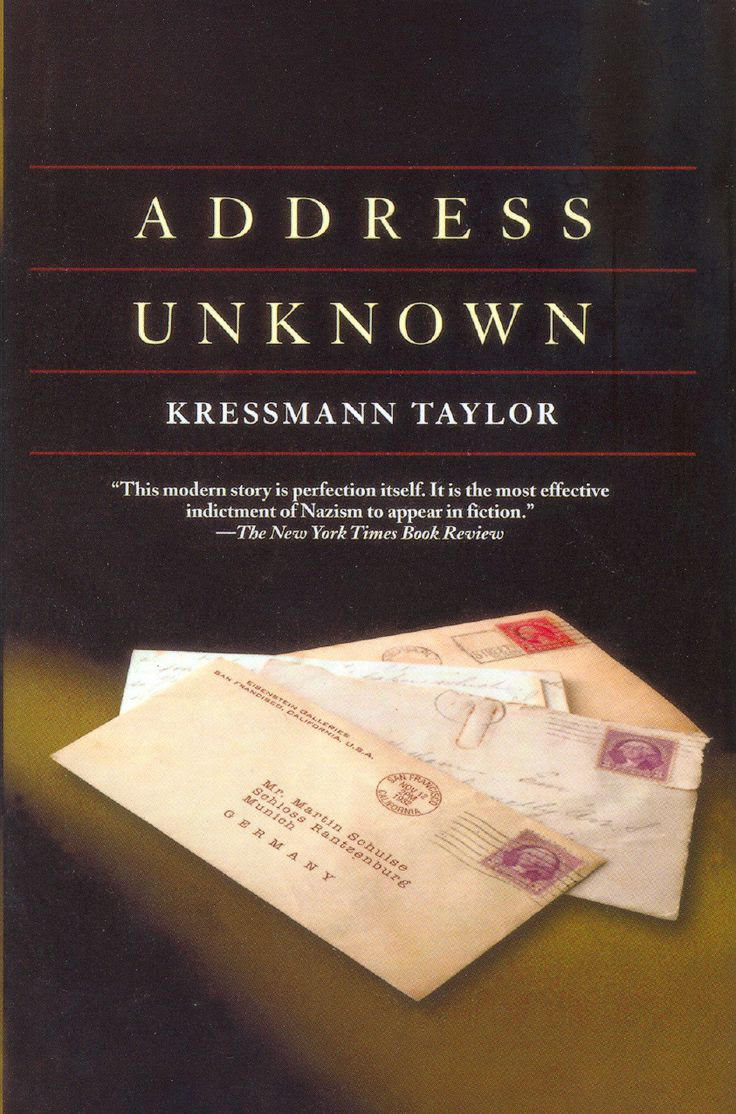
The students study the epistolary text "Address Unknown" by Kathrine Kressmann Taylor, set in 1938. Through the exchange of letters between two German friends, the novel shows how the rise of Nazism and anti-Semitism can destroy deep relationships. The analysis is accompanied by the study of the historical context, the history of anti-Semitism and the persecutions suffered by minorities before and during the Second World War.
M5 Italian
The students create an interactive Padlet dedicated to the theme of genocides in history, with a focus on the Armenian genocide. The reading of passages from the novel. La masseria delle allodole becomes an opportunity to produce reflections, images, letters and songs dedicated to the survivors.
D2 Italian
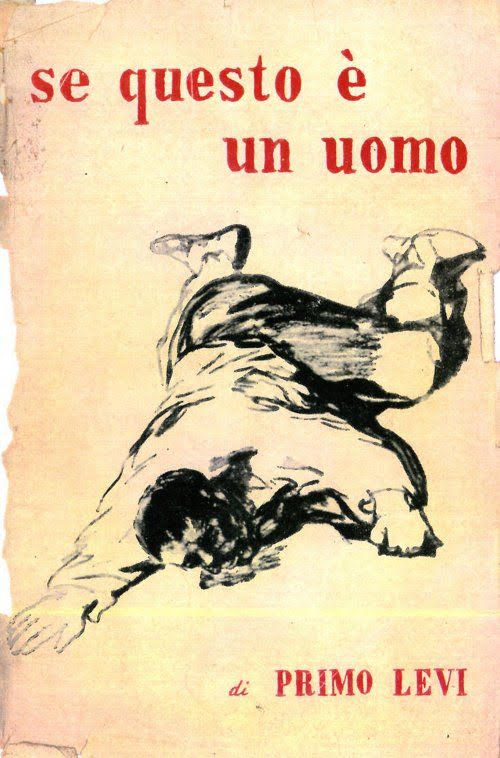
The reading and analysis of If This Is a Man by Primo Levi leads students to confront the poem "Shemà". Students choose between writing contemporary poetic texts or creating graphic works that express the theme of dehumanization.
M4 and M5 – Italian as an Additional Language
The path transforms the Day of Remembrance into inspiration for action. The students design future initiatives to raise awareness among their peers, including an immersive path articulated in:
sensory experience (bunker-room with sounds and images);
meeting and testimony space;
photographic exhibition on the genocides of the past and present.
Interdisciplinary approach
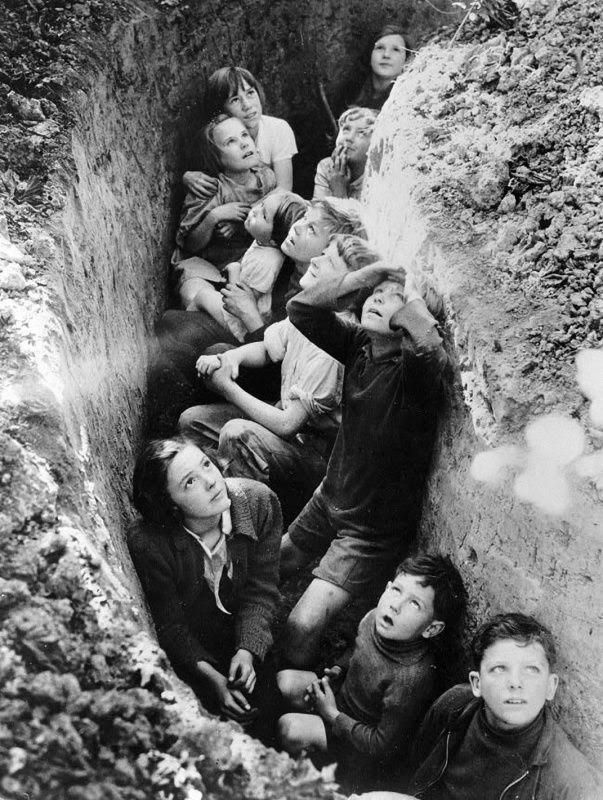
Science (M3): photographic analysis of the children of the Warsaw Ghetto to reflect on the concept of "social ecosystem" and the consequences of its destruction.
Individuals and Societies (M1–M2): quiz on the Jewish presence in Palermo, followed by a reflection on local history and the broader context of the Shoah.
The Day of Remembrance at the Gonzaga Campus Palermo thus becomes a shared educational journey, an opportunity to preserve memory, in which the memory of the Shoah does not remain confined to the past, but is transformed into responsibility, empathy, civil commitment.
Remembering means educating to recognize injustice, to reject indifference and to build relationships based on respect and the dignity of every person, so that the past becomes a conscious guide for the future. Because remembering is not only a duty: it is an act of hope towards the future.